✓ Since 2013 • Manufacturer Direct • Secure Checkout • Global Delivery

Wire Flame Spray Technology: Complete Guide to Industrial Metal Coating
BALAJI UDHYOG S WIRE FLAME SPRAY UNIT
7/23/20265 min read

What is Wire Flame Spray Technology?
Wire flame spray technology is a widely utilized thermal spray coating process that enhances the properties of various metals by applying a protective layer through combustion principles. This method involves utilizing a wire feed system, where metallic wires are continuously fed into a combustion flame, causing them to melt upon reaching high temperatures. The molten particles are then propelled onto the surface of the substrate, forming a strong bond as they rapidly cool and solidify.
The fundamental principle behind wire flame spray technology lies in the utilization of a controlled flame, typically produced by oxygen and a fuel gas. The flame's heat intensity is sufficient to melt the wire materials, which can consist of various metals or alloys, depending on the desired coating properties. This process not only provides an effective solution for enhancing surface characteristics but is also known for its ability to create thicker coatings compared to other thermal spray methods.
An essential aspect of this technology is its versatility; wire flame spray can be employed to coat a wide range of components used in demanding environments. The coatings produced using this method are particularly effective in protecting metals against wear, corrosion, and oxidation, thereby significantly extending the lifespan of the components. Industries that benefit from wire flame spray technology include manufacturing, aerospace, automotive, and oil and gas, where high-performance surface treatment is paramount.
Overall, understanding wire flame spray technology and its underlying principles is crucial for industries seeking effective methods to enhance the durability and functionality of their metal components. By applying this coating process, businesses can achieve not only enhanced protection against environmental factors but also improved operational efficiency in their respective applications.
How Wire Flame Spray Works: The Process Explained
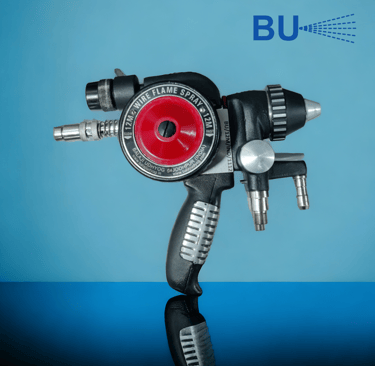
Wire flame spray technology utilizes a specialized wire flame spray gun, which plays a critical role in the application of metal coatings. The process commences when two metal wires, typically made from a suitable coating material, are fed into the gun. The gun is equipped with a nozzle that facilitates the combustion of these wires when they come into contact with a flame generated by an oxygen and fuel gas system. This system is essential, as it provides the required heat to melt the wire material.
Once the metal wires are melted, they transform into droplets, which are propelled forward by high-velocity air. The air compressor, a vital component of the wire flame spray system, ensures that a consistent and adequate supply of air is maintained. This pressurized air not only aids in atomizing the molten metal but also ensures that it reaches the substrate at the desired speed and angle, allowing for uniform coating application.
The interaction between the melted droplets and the surface of the component leads to the formation of a strong bond. As the molten metal comes into contact with the substrate, it cools rapidly, solidifying into a coherent layer. This layer serves as a protective coating, shielding the underlying material from corrosion, wear, and thermal degradation. Furthermore, the thickness of the coating can be adjusted by varying the feed rate of the wire or modifying the gun's operational parameters.
The wire flame spray process is advantageous due to its versatility and ability to coat various materials, including metals and ceramics. The capability to apply coatings in various thicknesses and customize properties makes wire flame spray technology a popular choice in modern industrial applications. In this way, the wire flame spray gun, combined with an effective oxygen and fuel gas system and the air compressor, works harmoniously to achieve quality surface coatings, significantly enhancing the performance and longevity of components across various industries.
Advantages and Applications of Wire Flame Spray
Wire flame spray technology offers a multitude of advantages that make it a preferred choice in various industrial applications. One of the primary benefits is its cost-effectiveness, as this method utilizes inexpensive wire feed materials, reducing overall operational costs. Furthermore, this technology produces minimal waste, making it an environmentally friendly option when compared to other coating methods.
Durability is another key advantage of wire flame spray, as coatings applied using this technique exhibit excellent adhesion and resistance to corrosion. This quality is particularly vital for components exposed to harsh environments, such as those found in power plants and marine applications. Additionally, wire flame spray can enhance surface properties, improving wear resistance and extending the life of critical components.
Efficiency in repairs is a significant advantage of wire flame spray technology. The process allows for in situ applications, enabling rapid repair of damaged surfaces without the need for extensive disassembly. This capability can result in minimal downtime for machinery and equipment, which is essential for maintaining productivity across industries.
Wire flame spray technology is widely used in various sectors, including steel manufacturing, oil and gas, aerospace, and automotive industries. In steel plants, it is utilized for protecting equipment from wear and corrosion, while in cement plants, it ensures the longevity of critical machinery components. Marine applications leverage this method for maintenance of ship hulls and equipment exposed to the sea environment, while mining operations rely on it for enhancing the durability of tools and machinery.
To further illustrate the advantages, a comparative analysis with other coating methods, such as arc spray and HVOF (High Velocity Oxygen Fuel), can be conducted. While arc spray may offer a similar level of coating quality, it often involves higher initial equipment investments. On the other hand, HVOF provides superior coating density but may not always be necessary depending on the application. Therefore, wire flame spray stands out as a versatile and efficient solution for industrial metal coating needs.
Maintenance, Safety Precautions, and FAQs
Effective maintenance of wire flame spray equipment ensures consistent performance and longevity, contributing to optimal coating results in industrial applications. Regular inspection of the feed mechanisms, gas connections, and flame spray nozzles is crucial. Additionally, it is imperative to keep the equipment clean and free from any obstructions that could impair function. Maintenance routines should include checking and replacing worn-out wires, as well as conducting a thorough examination of the ignition systems. Documenting service histories aids in tracking the performance of the equipment, making it easier to identify when issues arise.
When engaging in the wire flame spray process, safety precautions are paramount. Operators should always wear appropriate personal protective equipment (PPE), including flame-resistant clothing, goggles, gloves, and hearing protection to mitigate risks associated with heat, noise, and potential exposure to harmful particulates. Proper ventilation is essential to ensure that combustion gases do not accumulate, reducing the risk of inhalation. Additionally, all safety protocols outlined by the equipment manufacturer must be strictly adhered to in order to prevent accidents and injuries in the workplace.
Several common questions arise regarding wire flame spray technology. When it comes to choosing wire materials, it is critical to select those that match the intended application and environmental conditions. Various materials will exhibit different characteristics, which directly affect the performance of the coating. As for the service life of coatings, numerous factors contribute, including the type of substrate, environmental exposure, and wear patterns that the coated surface encounters. Best practices for application include maintaining the correct spray distance and angle, as well as ensuring an appropriate feed rate. For those seeking more detailed information regarding thermal spray equipment and spare parts, we encourage you to reach out to Balaji Udyog for high-quality solutions tailored to your needs.
CONNECT
Stay updated with our latest products.
Support
+91 92692 88805
© 2026 Balaji Udyog. All rights reserved.
EQUIPMENT
SHERAJET HVOF TORCH
+91 92564 88805
Blogs
support@buspray.com