✓ Since 2013 • Manufacturer Direct • Secure Checkout • Global Delivery

HVOF Thermal Spray Technology: Complete Guide to High-Velocity Oxy-Fuel Coating Systems
H.V.O.F. THERMAL SPRAY
7/25/20268 min read
Introduction to HVOF Thermal Spray Technology
High-Velocity Oxy-Fuel (HVOF) thermal spray technology is a cutting-edge method employed in the application of coatings to a variety of substrates. This technology utilizes a fuel source, typically hydrogen or propane, combined with oxygen to create a high-velocity flame. The resultant combustion generates a stream of molten or semi-molten particles that are propelled onto the substrate at extremely high speeds. This process results in a dense, tightly-adhered coating that can significantly enhance the properties of the underlying material.
The significance of HVOF lies in its ability to provide superior wear resistance and corrosion protection compared to traditional coating methods. Its high-speed application ensures a homogeneous and robust coating, making it particularly beneficial for components subjected to abrasive wear and corrosive environments. Industries ranging from aerospace to automotive are increasingly adopting HVOF technology for these very reasons.
One of the most compelling advantages of HVOF is its capacity to replace hard chrome plating, which is facing increasing regulatory scrutiny due to environmental and health concerns. HVOF coatings can offer comparable, if not superior, performance in terms of hardness and durability while being safer to apply. Moreover, HVOF coatings boast excellent erosion resistance, making them suitable for a variety of applications such as turbine components, pump housings, and oil and gas equipment.
Overall, HVOF thermal spray technology stands out as one of the most advanced coating solutions available today. Its ability to deliver protective coatings that enhance wear resistance, corrosion protection, and overall component longevity makes it an important option for manufacturers seeking to improve their products' performance and durability.
Understanding the HVOF Process: How It Works
The High-Velocity Oxy-Fuel (HVOF) thermal spray process is a sophisticated coating technique utilized in various industrial applications to enhance surface properties, including wear and corrosion resistance. This process comprises several critical components that work in concert to achieve optimal coating results. At the core of the HVOF system are the fuel source, oxygen, and a compressed air system, which together create a high-energy combustion environment.
The fuel gas, which can be liquid propane (LPG) or other hydrocarbons, is mixed with oxygen in precise proportions. This mixture is ignited in a combustion chamber, generating an intense flame that reaches temperatures sufficient to melt or partially melt the coating material. Once ignited, the combustion gases expand rapidly, transitioning from a subsonic to a supersonic state. This transformation is pivotal, as it results in the high-velocity jet of gas that carries the injected powder particles.
Equipped with a powder feed system, the HVOF process introduces the coating material into the heated gas stream. These powder particles are propelled at velocities often exceeding 1,000 meters per second when they exit the nozzle. The high-speed impact of these accelerated particles onto the target surface is significant; it induces a metallurgical bond that enhances the adhesion between the substrate and the coating. This bond can lead to stronger, denser coatings that are suitable for extreme service conditions.
The ability to control various parameters of the HVOF process, including gas flow rates, nozzle design, and powder particle size, allows for tailored coating applications. This flexibility ensures that the end coating retains the desired characteristics and performance traits needed for specific industrial requirements. Thus, understanding the intricacies of the HVOF process is crucial for optimizing coating results and achieving superior performance in demanding environments.
Advantages of HVOF Coatings
The High-Velocity Oxy-Fuel (HVOF) coating technology offers a multitude of advantages that make it a preferred choice in various industrial applications. One of the primary benefits is the high bond strength that HVOF coatings provide. This is achieved by the unique process in which the coating material is heated and propelled at high velocities onto the substrate, resulting in a solid attachment that enhances durability and performance under demanding conditions.
Additionally, HVOF coatings feature low porosity, which is pivotal for achieving their comprehensive protective characteristics. The dense coating structure minimizes the pathways for corrosion and wear, which are critical considerations in industrial settings where equipment is subjected to harsh environments. By maintaining low porosity levels, HVOF coatings prevent the ingress of detrimental substances, thus extending the lifespan of the component.
Exceptional hardness is another significant advantage of HVOF coatings. This hardness is advantageous in applications that require resistance to abrasion and mechanical wear, such as in pump housings, valves, and turbines. Hard coatings ensure that critical components maintain their integrity and functionality over time, reducing the need for frequent replacements.
Moreover, HVOF coatings exhibit a low oxide content. The reduced presence of oxides is essential for applications that demand high-performance standards, as oxides can impair mechanical properties and reduce coating effectiveness. Lower oxide levels contribute to a finer microstructure, resulting in better overall performance.
In summary, HVOF coatings deliver a long service life, optimized through their combination of high bond strength, low porosity, impressive hardness, and minimal oxide formation. These attributes significantly enhance the reliability and durability of components, establishing HVOF technology as a leading choice for effective thermal spray coatings in demanding industrial environments.
Detailed Equipment for HVOF Coating Systems
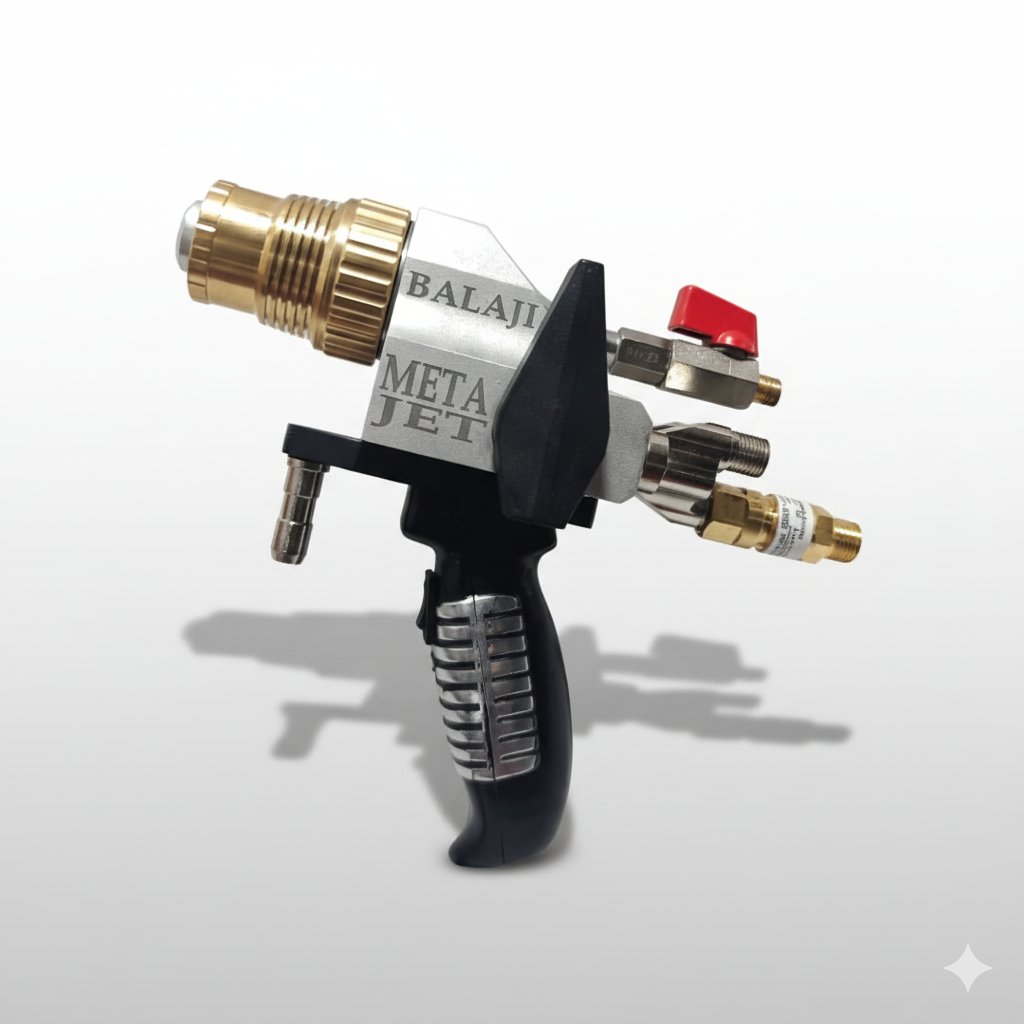
The High-Velocity Oxy-Fuel (HVOF) coating system is an advanced thermal spray technology that utilizes a combination of fuel and oxygen to create high-velocity jets, which deposit coating materials onto substrate surfaces. This process requires specialized equipment to ensure precision and efficiency. The primary components of an HVOF system include the HVOF spray gun, control panel, powder feeder, and various gas regulators.
The HVOF spray gun is a critical component, responsible for mixing powdered feedstock with a fuel gas and oxygen before igniting the mixture. This gun can operate at high pressures, resulting in the production of supersonic jets that propel the powder particles at high speeds, ensuring a dense and durable coating upon impact with the workpiece.
Next, the control panel regulates the operational parameters such as gas flow rates, pressures, and temperatures. It provides the operator with the necessary settings to optimize the coating process according to the specific requirements of the application. Accurate control is vital for achieving desirable coating properties, including thickness and surface finish.
The powder feeder transports the coating material into the spray gun, where it is introduced into the combustion chamber. Automated systems typically prefer volumetric or gravimetric feeders to ensure consistent material flow, thereby enhancing productivity and reducing waste.
Gas regulators and air control units play a pivotal role by controlling the flow and pressure of gases used in the coating process. These components must enhance safety while maintaining optimal operating conditions. For high temperatures, an LPG vaporizer may be employed to convert liquid propane into a gaseous state before combustion.
Lastly, cooling systems are essential to manage heat dissipation, ensuring that components, including the spray gun and substrate, do not overheat during operation. In terms of choice between manual and automatic systems, manual systems offer simplicity and flexibility for small-scale applications, while automatic systems excel in high-volume production, providing enhanced consistency and efficiency in complex coatings.
Comparative Analysis of HVOF and Other Thermal Spray Technologies
High-Velocity Oxy-Fuel (HVOF) coating systems are renowned for their ability to produce dense, high-quality coatings used across various industrial applications. To fully appreciate the strengths of HVOF technology, it is essential to compare it with other established thermal spray techniques, such as wire flame spray, twin wire arc spray, and plasma spray. This analysis will focus on key performance factors including coating quality, bond strength, hardness, and operational efficiency.
When examining coating quality, HVOF coatings generally outperform wire flame and twin wire arc sprays due to their finer particle size and lower porosity levels. The high thermal energy applied during the HVOF process leads to superior melting and adhesion of particles. In contrast, coatings produced by wire flame and twin wire arc often exhibit lower densities and higher levels of porosity, affecting their performance in demanding environments.
The hardness of coatings varies widely among these methods. HVOF coatings typically demonstrate increased hardness due to the high velocity at which the particles impact the substrate, allowing for better interlocking and less deformation. Plasma spray can achieve similar hardness levels depending on the materials used, but often at a higher operational cost.
Another significant factor is bond strength. HVOF achieves high bond strength, making it suitable for components subject to high wear and thermal stress. Twin wire arc and plasma sprays may serve specific applications but often fall short in harsh operational settings due to poorer adhesion characteristics.
Regarding operating costs and deposition rates, HVOF systems tend to have higher initial setups, although they often generate more efficient coatings requiring fewer repairs and replacements. In terms of coating densities, HVOF usually results in denser and more durable coatings compared to its alternatives. Typical industrial applications for HVOF are found in aerospace, automotive, and oil and gas industries, where wear resistance and thermal stability are paramount.
This comparative analysis reveals that while other thermal spray technologies have their advantages, HVOF stands out for its ability to deliver superior coating characteristics that enhance performance and longevity in various applications.
Commonly Used HVOF Powders and Their Applications
High-Velocity Oxy-Fuel (HVOF) thermal spray technology is recognized for its ability to apply durable coatings that enhance performance across several industries. Various powders are utilized in the HVOF process, each with specific properties that cater to distinct applications. Among the most commonly used powders are tungsten carbide and chromium carbide, both renowned for their hardness and wear resistance. These materials significantly improve the longevity and reliability of components exposed to extreme conditions.
Tungsten carbide powders, available in different compositions such as WC-Co and WC-CoCr, are often employed in applications requiring superior abrasion and impact resistance. For instance, they are widely used in the aerospace sector for coating turbine components, as well as in the oil and gas industry where surfaces face erosive and corrosive environments. The high density and hardness of tungsten carbide coatings contribute to extending service life while maintaining functionality in critical operations.
On the other hand, chromium carbide coatings are primarily utilized for applications that demand excellent wear resistance combined with moderate corrosion resistance. These coatings are often favored in the automotive industry, particularly for components such as engine pistons and cylinder liners, which require a balance between durability and weight. Moreover, chromium carbide powders can be tailored to enhance bonding characteristics with different substrate materials, making them versatile for many applications.
In addition to tungsten and chromium carbide, other materials, such as nickel-based superalloys and ceramic powders, are also utilized in HVOF processes. Each powder selection is crucial as it influences the final coating's performance attributes. Understanding the applications of these HVOF powders underpins their critical role in enhancing machinery and components across diverse sectors.
Maintenance, Safety, and Quality Factors in HVOF Coating
Maintaining high-velocity oxy-fuel (HVOF) coating systems is crucial for ensuring operational efficiency and prolonging the life of the equipment. Regular maintenance includes routine inspections of critical components such as the fuel and oxygen supply systems, as well as the feedstock delivery components. It is advisable to schedule periodic checks every few weeks to catch any wear or corrosion in the machinery early. Additionally, keeping meticulous records of maintenance activities can aid in troubleshooting and ensure compliance with safety regulations.
Safety is paramount in the operation of HVOF systems. Workers must receive thorough training in handling flammable materials and operating high-pressure equipment. Comprehensive personal protective equipment (PPE) including gloves, goggles, respiratory protection, and flame-resistant clothing should be mandatory. Safety data sheets (SDS) for all materials should be readily accessible and reviewed regularly as part of the safety program.
Several quality factors directly influence the performance of HVOF coatings. The selection of the appropriate powder material is vital, as different metal powders have unique thermal and mechanical properties that affect adhesion, hardness, and resistance to wear. Furthermore, ensuring optimal spray parameters, including fuel-to-oxygen ratios, spray distance, and particle velocity, will yield coatings with superior thickening and density. Environmental conditions, such as ambient temperature and humidity, should also be monitored closely, as these can impact the coating quality considerably.
Frequently Asked Questions:
What are common applications of HVOF coatings?
HVOF coatings are utilized in industries ranging from aerospace to automotive for enhancing the wear and corrosion resistance of various components.
How do I know if my HVOF coatings are effective?
Effectiveness is measured through testing for adhesion strength, microhardness, and overall surface integrity after application.
What training is required for safe operation of HVOF systems?
Operators should undergo comprehensive training that includes equipment handling, safety protocols, and emergency response procedures.
CONNECT
Stay updated with our latest products.
Support
+91 92692 88805
© 2026 Balaji Udyog. All rights reserved.
EQUIPMENT
SHERAJET HVOF TORCH
+91 92564 88805
Blogs
support@buspray.com