✓ Since 2013 • Manufacturer Direct • Secure Checkout • Global Delivery

Understanding Thermal Spray Coating: Process, Types, Benefits, and Applications
Understanding Thermal Spray Coating: Process
7/31/202613 min read
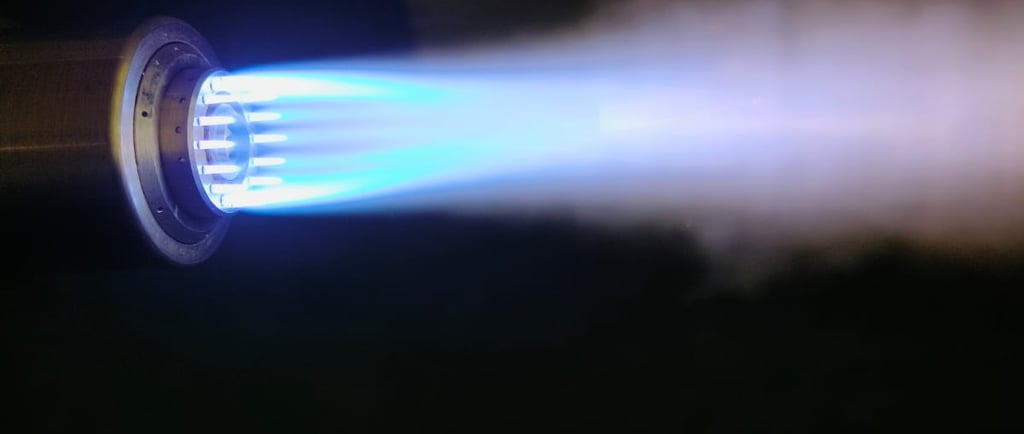
Thermal Spray Coating: Processes, Types, and Industrial Applications
Thermal spray coating is an advanced surface engineering technique employed to enhance the properties of materials. This process involves the deposition of materials onto a substrate to create a coating that can improve wear resistance, corrosion resistance, and thermal stability. The technique offers versatility to various industries, making it a crucial part of modern manufacturing.
The thermal spray coating process consists of several stages. Initially, a feedstock material, which can be in the form of powder or wire, is heated to a molten or semi-molten state using a heat source, commonly an electric arc, plasma or combustion flame. The heated particles are then propelled towards the substrate. Upon impact, they rapidly cool and solidify, forming a cohesive bond with the surface. The process is primarily divided into different methods including Plasma Spraying, Flame Spraying, and High-Velocity Oxy-Fuel (HVOF) spraying, each having distinct characteristics suited for specific applications.
There are numerous types of coatings produced through thermal spraying, ranging from metals and ceramics to polymers. Metal coatings like nickel and aluminum are valued for their corrosion resistance and thermal shielding properties, while ceramic coatings are chosen for their hardness and ability to withstand high temperatures. Additionally, composite coatings combine materials to enhance performance, making them ideal for specialized applications.
The industrial applications of thermal spray coatings are vast and encompass sectors such as aerospace, automotive, energy, and biomedical industries. In aerospace, coatings are utilized to protect engine components from extreme heat and oxidation, prolonging their lifespan and reliability. Similarly, in automotive manufacturing, thermal spray coatings enhance the durability of engine parts and prevent wear. As industry needs evolve, the relevance of thermal spray coatings continues to grow, reflecting the importance of this technology in achieving greater material performance and longevity.
Thermal Spray Coating Explained
Thermal spray coating is a method used to apply coatings to various surfaces, enhancing their properties and durability. This process involves heating material until it becomes molten or semi-molten and then projecting it onto a substrate. The result is a coating that can improve the performance of the underlying material, offering resistance to wear, corrosion, and high temperatures.
The thermal spray coating process typically begins with the selection of a feedstock material, which can include metals, ceramics, or polymers. This material is then heated using various methods, including electric arcs, flames, or plasma, allowing it to form droplets. These droplets are propelled toward the surface being coated, where they solidify upon impact. The technique is notably versatile, allowing for coatings with a variety of thicknesses and morphologies, depending on the application requirements.
One of the key advantages of thermal spray coating is its ability to restore worn components and extend their lifespan. Industries such as aerospace, automotive, and manufacturing widely benefit from these coatings, as they can significantly reduce maintenance costs and downtime. Furthermore, thermal spray coatings can be tailored to meet specific demands, providing solutions for enhancing thermal insulation, electrical conductivity, or aesthetic appearance.
With the growing demand for advanced materials and the need for improved performance in numerous applications, thermal spray coating has become an essential technique in material engineering. Understanding this process and its benefits is crucial for industries seeking innovation and enhancement in their products.
Meta Description
Thermal spray coating is a versatile technique that employs various methods to apply materials onto substrates, enhancing their properties for different applications. This guide provides an in-depth exploration of the thermal spray coating process, covering its various types, advantages, and wide-ranging industrial applications.
The thermal spray coating process involves the application of a molten or semi-molten material onto a surface through a spray gun. This method can utilize various energy sources, including gas flames, plasma arcs, or electric arcs to melt the coating material, usually a metal, ceramic, or polymer. Upon contact with the substrate, the molten particles solidify, forming a robust coating that can significantly improve the material's performance.
There are several types of thermal spray coatings, including plasma spray, flame spray, cold spray, and high-velocity oxygen-fuel (HVOF) spray, each offering unique benefits and applications. For instance, plasma spray is often used for high-performance ceramic coatings, while HVOF is recognized for producing dense and strong metal coatings. Selecting the appropriate thermal spray technique depends on the specific requirements of the application at hand.
The benefits of thermal spray coating are numerous. This process can enhance wear resistance, corrosion resistance, and thermal barrier properties of components, ultimately leading to extended lifespans and reduced maintenance costs. Additionally, thermal spray coatings can restore dimensions of worn parts and improve surface finishes, making them a cost-effective solution across numerous industries, including aerospace, automotive, and oil and gas.
In conclusion, thermal spray coating is a critical technology in modern manufacturing and repair processes. By understanding its procedures, types, and advantages, industries can utilize this technology to optimize the performance and lifespan of various components.
Direct Definition
Thermal spray coating is a sophisticated manufacturing process that involves the application of heated or molten materials onto a substrate to create a protective and functional layer. This innovative method is employed to enhance various surface properties, including wear resistance, corrosion protection, and thermal barriers. The fundamental mechanics of thermal spray coating involve the transformation of solid, semi-solid, or liquid feedstock materials into tiny molten droplets, which are then propelled at high velocities toward the substrate surface.
Once these droplets impact the substrate, they rapidly cool and solidify, forming a dense and robust layer that adheres firmly to the substrate. The materials used in thermal spray processes can vary widely, ranging from metals and ceramics to polymers, each selected based on the desired performance characteristics and application requirements. This versatility makes thermal spray coating an attractive solution across numerous industries.
The significance of this coating process is evident in its ability to significantly improve the longevity and performance of components subjected to harsh operational environments. By applying coatings, manufacturers can reduce the frequency of replacement or maintenance of critical components, thus saving time and costs. Furthermore, thermal spray coating systems can be designed to accommodate various substrate materials, ensuring compatibility and effectiveness in applications from aerospace to automotive industries.
Overall, thermal spray coating stands out as a valuable method for enhancing surface properties, providing industrial solutions that are economical and environmentally sustainable. The ongoing advancements in coating materials and techniques continue to broaden the scope and efficacy of thermal spray applications, making it a vital area of exploration in modern manufacturing.
How Thermal Spraying Works
Thermal spraying is an advanced coating technique that involves the application of finely divided materials onto a substrate to form a protective or functional layer. The core principle of this method revolves around heating the coating material to a molten or semi-molten state and then projecting it onto the surface to be coated. This process occurs through a range of techniques, including plasma spraying, flame spraying, and high-velocity oxygen fuel (HVOF) spraying, each of which offers unique advantages in terms of material compatibility and coating characteristics.
Before the actual coating process begins, surface preparation is critical. This step ensures that the substrate is clean, free of contaminants, and properly textured to enhance adhesion. Common preparation methods include grit blasting, chemical cleaning, and mechanical polishing. Proper surface treatment not only boosts bond strength but also ensures optimal coating thickness, which can be tailored based on the application requirements.
The desired properties of the thermal spray coating, such as bond strength and thickness, depend largely on the control of several operational parameters during the spraying process. These include the temperature of the spray material, the velocity at which it is projected, and the distance from the nozzle to the substrate. By managing these parameters, one can achieve a coating with minimal porosity and a consistent deposition rate, contributing to enhanced performance and longevity of the coating.
In essence, an effectively executed thermal spraying process can yield coatings that provide wear resistance, corrosion protection, and thermal insulation. As industries increasingly recognize the benefits of thermal spray technology, understanding its operational principles becomes essential for both manufacturers and end-users alike.
Major Thermal Spray Processes
Thermal spray coating is a versatile technology used to enhance the surface properties of various materials. Four primary thermal spray processes are widely recognized: Wire Arc Spray, Flame Spray, Plasma Spray, and High Velocity Oxy-Fuel (HVOF) Coating. Each of these processes operates on distinct principles and is suited for specific applications.
Wire Arc Spray utilizes an electric arc to melt metal wires, which are then atomized into fine droplets and propelled towards the substrate. This method employs a wire feed mechanism and an electrical power source. Common materials used in wire arc spray include zinc, aluminum, and various alloys. The process is ideal for corrosion protection, often applied to steel structures in marine environments.
Flame Spray, on the other hand, involves a fuel gas and oxygen mixture ignited to create a flame that melts the coating material, typically in powder form. This molten powder is then sprayed onto the substrate. Equipment for this process includes a combustion gun and a powder feed system. Flame spray is primarily used for coatings of ceramic materials and metals, providing wear resistance for parts in various industrial applications.
Plasma Spray leverages a high-temperature plasma jet created by ionizing a gas. The powder feedstock is injected into this plasma arc, melting it before it is deposited onto the substrate. This process requires sophisticated equipment, including plasma guns and powder feeders. Plasma spray is highly effective for coatings such as ceramics and thermal barrier materials, often used in aerospace and automotive industries.
Lastly, HVOF Coating employs the combustion of fuel and oxygen at high pressures to generate a jet stream that accelerates the coating material, typically powder, and impacts the substrate at significant velocities. The equipment involved includes HVOF spray guns and feed systems. This method is particularly advantageous for producing dense coatings with excellent adhesion, commonly utilized in oil and gas applications, as well as in the aerospace sector.
Comparison of Major Thermal Spray Processes
Thermal spray coating is an intricate process with various methods tailored to meet specific requirements. Below is a comparative analysis of the most common thermal spray processes, highlighting essential criteria such as coating thickness, bond strength, porosity levels, deposition rates, and optimal applications. This comparison provides a clear overview of the advantages and distinctions among these techniques.
| Thermal Spray Process | Coating Thickness (mm) | Bond Strength (MPa) | Porosity Level (%) | Deposition Rate (g/min) | Optimal Applications |
|---|---|---|---|---|---|
| Plasma Spray | 0.1 - 15 | 20 - 40 | 1 - 20 | 30 - 200 | High-temperature applications, insulators |
| Flame Spray (Oxygen-Acetylene) | 0.1 - 4 | 15 - 25 | 5 - 30 | 10 - 50 | Wear-resistant coatings, low-cost repairs |
| Arc Spray | 0.1 - 5 | 20 - 30 | 4 - 10 | 5 - 20 | Aerospace, automotive industries |
| HVOF (High Velocity Oxy-Fuel) | 0.1 - 10 | 30 - 50 | 1 - 5 | 10 - 60 | High-performance applications requiring hard coatings |
| Cold Spray | 0.1 - 5 | 25 - 35 | 1 - 3 | 5 - 30 | Repair of delaminated or worn-out parts |
Each thermal spray process has its characteristics, making them suitable for different applications based on parameters such as required coating thickness and bond strength. Understanding these differences enables industries to choose the most effective technique to achieve desired results in performance and longevity.
Benefits of Thermal Spray Coating
Thermal spray coating offers a multitude of advantages that make it an essential process across various industries. One of the most notable benefits is the significant improvement in wear resistance it provides to components subjected to harsh operating conditions. By creating a robust surface layer, parts coated with thermal spray techniques can better withstand friction, abrasion, and erosion, thus reducing the frequency of replacements and maintenance.
Another critical benefit is the enhanced protection against corrosion. Many thermal spray coatings act as a barrier, shielding the underlying material from environmental factors such as moisture, salt, and chemicals that can lead to deterioration. This protective feature is particularly vital for components used in marine, chemical processing, and oil and gas applications, where exposure to corrosive agents is inevitable.
Thermal spray coatings also improve thermal insulation, thereby enhancing energy efficiency in applications where heat loss must be minimized. This is particularly advantageous in industrial settings, where energy costs can impact overall operational expenses. By effectively managing heat transfer, thermal spray coatings can contribute to lower energy consumption and improved performance.
Additionally, the life expectancy of components is significantly extended through the application of thermal spray coatings. This longevity not only reduces the need for regular replacements but also cuts down on downtime and associated costs, making it a cost-effective maintenance solution. Industries such as aerospace, automotive, and heavy machinery benefit greatly from these applications.
Overall, the versatile nature of thermal spray coating allows it to be tailored to meet specific performance requirements, ensuring its widespread applicability and continued evolution as a reliable protective measure against a variety of challenges faced in industrial operations.
Industrial Applications
Thermal spray coating technology finds extensive usage across various industrial sectors, playing a critical role in enhancing surface properties and performance of components. The aerospace industry is one of the primary sectors benefiting from thermal spray coatings. Gas turbine components, such as blisks and combustion chambers, are often subjected to thermal spray methods, enabling increased thermal resistance and oxidation protection. These enhancements not only prolong the lifespan of components but also improve overall engine efficiency.
In the automotive sector, thermal spray coatings are frequently applied to engine parts, including cylinder heads and pistons. The coatings provide improved wear resistance, enabling vehicles to operate reliably under challenging conditions. Moreover, spray-formed metal coatings are often utilized on critical components like brake discs and drive shafts where friction and wear resistance are paramount, enhancing vehicle safety and performance.
The oil and gas industry also capitalizes on thermal spray coatings, especially for equipment subjected to extreme environments. Drilling rigs and pipelines, which face corrosive elements and abrasive wear, often implement thermal spray technologies to protect against premature failure. Coatings such as tungsten carbide or chromium carbide are particularly effective when applied to surfaces facing these harsh conditions.
Additionally, thermal spray coatings are invaluable in manufacturing sectors, particularly in tooling applications. Molds used in injection molding processes frequently employ thermal spray coatings to improve surface hardness and resistance to corrosion, resulting in extended service life and reduced downtime for maintenance. Other tooling applications include cutting tools and dies, where thermal spray coatings enhance operational efficiency.
As demonstrated, thermal spray coating technology is integral across a wide range of industrial applications. The continual advancements in coating materials and processes further enhance their capabilities, ensuring they meet the evolving demands of various sectors.
How to Select the Right Process
Choosing the appropriate thermal spray process is crucial for ensuring optimal performance and longevity of a coating. The selection process should involve a thorough consideration of various factors. One of the primary considerations is the substrate material. Different substrates, such as metals, ceramics, or polymers, have varying thermal characteristics and compatibility with specific thermal spray processes. For example, some coatings may require specific surface preparations to ensure adequate adhesion, while others may be more forgiving.
Another critical factor is the required properties of the coating. These properties include hardness, thickness, wear resistance, and corrosion resistance. Depending on the application's specific requirements, certain thermal spray methods, such as High-Velocity Oxygen Fuel (HVOF) or Plasma Spray, may be more suited due to their specific capability to achieve desired thickness or material properties. Engineers and plant owners must evaluate the application needs comprehensively to match the thermal spray technique with these requirements effectively.
Operational conditions where the coated component will function are also essential in the decision-making process. Considerations such as exposure to high temperatures, corrosive environments, or mechanical stress can significantly influence the choice of thermal spray coating. For instance, in high-temperature environments, metallic coatings may perform better than polymer-based solutions. Similarly, in corrosive settings, coatings with excellent corrosion resistance should be prioritized to ensure durability and minimize wear.
Ultimately, selecting the right thermal spray process involves balancing these factors with economic considerations. Conducting a cost-benefit analysis can help in choosing a process that meets both performance and budgetary constraints, ensuring that the final coating serves its intended purpose effectively.
Safety Considerations
In the thermal spray coating process, safety considerations are of paramount importance to ensure the well-being of all personnel involved. When engaging in thermal spray applications, it is crucial to implement stringent safety measures, primarily focusing on personal protective equipment (PPE), adequate ventilation, and safe handling of materials.
Personal protective equipment includes safety goggles, gloves, respiratory protection, and hearing protection. Goggles are essential to shield the eyes from harmful particles and thermal spray emissions, while gloves protect the skin from abrasions and chemical exposures. Respiratory protection is particularly vital since thermal spray processes can release toxic fumes and particulates that may be hazardous if inhaled. A properly fitted respirator can provide an effective barrier against these dangers. Additionally, wearing hearing protection may be necessary since some spray equipment can produce noise levels that could lead to hearing damage over time.
Ventilation is another critical safety measure in thermal spray operations. Proper ventilation systems help minimize exposure to airborne contaminants generated during coating processes. This can involve employing local exhaust ventilation (LEV) systems, which capture hazardous fumes and dust near the source. Ensuring fresh air circulation is vital to maintain safe air quality levels, particularly in confined spaces. Workers should also be educated on the importance of recognizing signs of inadequate ventilation and be trained to operate ventilation systems effectively.
Handling materials used in thermal spray coating must be approached with caution. This includes following proper storage protocols and maintaining safety data sheets (SDS) readily accessible for all materials involved. Employees should be trained on the correct procedures for the use, transport, and disposal of coatings, gases, and other materials. Such precautions help prevent accidents and ensure a safer working environment during thermal spray processes.
6 FAQs with Direct Answers
1. What is thermal spray coating?
Thermal spray coating is a process that involves the application of a coating material onto a substrate surface using high-temperature thermal energy. The coating material is often melted and propelled onto the substrate, forming a dense layer that provides protection or additional properties such as corrosion resistance, wear resistance, and thermal insulation.
2. What materials can be used for thermal spraying?
Various materials can be utilized in thermal spray coating, including metals (like aluminum and zinc), ceramics (such as zirconia and alumina), and polymers. The choice of material largely depends on the intended application, desired coating properties, and the substrate material. For instance, ceramic coatings are preferred for high-temperature thermal protection.
3. How long do thermal spray coatings last?
The lifespan of thermal spray coatings can vary significantly depending on several factors, including the coating material used, the environment it is exposed to, and the substrate’s nature. Typically, when properly applied and maintained, these coatings can last from several years to over a decade in industrial settings.
4. Are thermal spray coatings environmentally friendly?
Thermal spray coatings can be considered environmentally friendly when comparing them to traditional coating methods that might involve harmful solvents. The thermal spray process often does not require toxic chemicals, leading to a reduced environmental impact. However, it's essential to assess each process's environmental footprint on a case-by-case basis.
5. How do you maintain thermal spray coatings?
Maintenance of thermal spray coatings largely depends on the type and application environment. Regular inspections should be conducted to identify any wear or damage. Cleaning the surface with appropriate methods, such as non-abrasive cleaning agents, can also extend the life of the coating.
6. Can thermal spray coatings be repaired?
Yes, thermal spray coatings can be repaired. In cases where the coating is damaged or worn, additional layers can be applied to restore the coating's protective qualities. However, it is crucial to evaluate the extent of the damage and, if necessary, to consult with professionals for an appropriate repair procedure.
Conclusion and Call to Action
Thermal spray coating has emerged as a vital technology in enhancing the performance and longevity of various industrial components. This innovative process enables the application of protective layers that can significantly improve resistance to wear, corrosion, and thermal degradation. As industries increasingly prioritize durability and efficiency, the role of thermal spray coatings becomes more pronounced, allowing businesses to reduce maintenance costs and downtime while maximizing the lifespan of their equipment.
By understanding the different types of thermal spray coatings and their specific applications, organizations can make informed decisions that align with their operational needs. From aerospace to automotive, the versatility of these coatings opens the door to a myriad of customized solutions, tailored to withstand the unique challenges posed by different environments. As workloads and performance expectations continue to heighten in today’s competitive market, the adoption of thermal spray technology can provide a strategic advantage.
For businesses looking to explore this technology, it is essential to seek expert guidance to ensure optimal results. Balaji Udyog stands ready to assist with comprehensive equipment options, competitive pricing, and the technical expertise needed for successful implementation. Engaging with professionals in this field can facilitate smoother integration of thermal spray solutions into existing processes and provides valuable insights into best practices.
We encourage readers to reach out to Balaji Udyog for specialized advice on thermal spray coatings tailored to your specific project needs. Contact us today to learn more about how our solutions can elevate your operational capabilities and enhance your product reliability.
CONNECT
Stay updated with our latest products.
Support
+91 92692 88805
© 2026 Balaji Udyog. All rights reserved.
EQUIPMENT
SHERAJET HVOF TORCH
+91 92564 88805
Blogs
support@buspray.com